

Liberation archive Institute ‘s Post
# **কমান্ডার আশালতা বৈদ্য: মুক্তিযুদ্ধের ইতিহাসে এক অনন্য নারীর নাম**
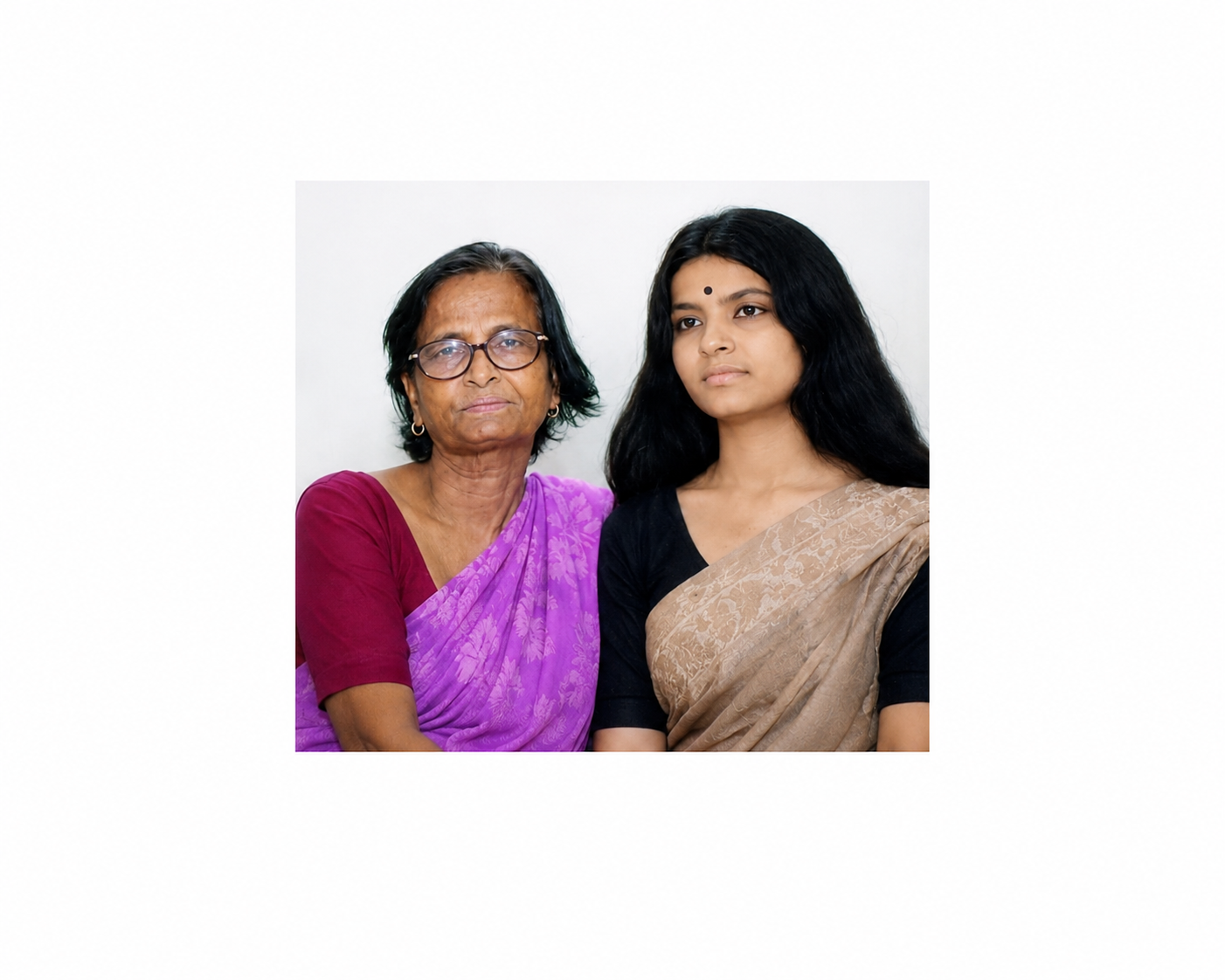
বাংলাদেশের মহান মুক্তিযুদ্ধের ইতিহাসে নারীদের অবদান শুধু সহযোদ্ধা বা সহযোগীর ভূমিকায় সীমাবদ্ধ ছিল না; তাঁরা ছিলেন সংগঠক, গোয়েন্দা, সেবিকা, গেরিলা যোদ্ধা এবং নেতৃত্বের আসনেও অধিষ্ঠিত। সেই ইতিহাসে এক অনন্য নাম **কমান্ডার আশালতা বৈদ্য**—যিনি মুক্তিযুদ্ধে সক্রিয়ভাবে নারী যোদ্ধাদের নেতৃত্ব দেওয়ার জন্য বিশেষভাবে স্মরণীয়।
১৯৭১ সালে তিনি ছিলেন এসএসসি পরীক্ষার্থী। যুদ্ধ শুরু হলে পাকিস্তানি দখলদার বাহিনী ও তাদের সহযোগী রাজাকারদের অত্যাচারে তাঁর পরিবারও নিরাপত্তাহীন হয়ে পড়ে। দেশ ছেড়ে ভারতে আশ্রয় নেওয়ার সুযোগ থাকলেও আশালতা বৈদ্য ভিন্ন পথ বেছে নেন। তিনি সিদ্ধান্ত নেন—নিজের দেশেই থেকে অস্ত্র হাতে স্বাধীনতার জন্য লড়বেন।
গোপালগঞ্জের কোটালীপাড়ায় গড়ে ওঠা কিংবদন্তিতুল্য **হেমায়েত বাহিনী**-তে যোগ দিয়ে তিনি দ্রুতই নিজের সাহস, শৃঙ্খলা ও নেতৃত্বের পরিচয় দেন। তাঁর উদ্যোগে স্থানীয় বহু নারী মুক্তিযুদ্ধে অংশগ্রহণে উদ্বুদ্ধ হন। প্রথমে প্রায় **৪৫ জন নারীকে নিয়ে একটি সশস্ত্র গেরিলা দল** গঠন করা হয়। পরবর্তীতে তাঁর নেতৃত্বে **প্রায় ৩৪৫ জন নারী মুক্তিযোদ্ধার একটি বৃহৎ ইউনিট** সংগঠিত হয়, যা মুক্তিযুদ্ধে নারীদের অংশগ্রহণের ইতিহাসে এক বিরল অধ্যায়।
হেমায়েত বাহিনীর তত্ত্বাবধানে বরিশাল অঞ্চলের বিভিন্ন প্রশিক্ষণকেন্দ্রে তিনি রাইফেল, মেশিনগান, স্টেনগান, গ্রেনেড এবং গেরিলা কৌশলের ওপর প্রশিক্ষণ গ্রহণ করেন। অল্প সময়ের মধ্যেই অস্ত্র পরিচালনা ও অভিযানের পরিকল্পনায় অসাধারণ দক্ষতা অর্জন করেন তিনি।
মুক্তিযুদ্ধের নয় মাসে আশালতা বৈদ্য ছোট-বড় বহু অভিযানে অংশ নেন। গোপালগঞ্জ, কোটালীপাড়া, হরিণাহাটি, ঘাঘর, শিকের বাজার, রামশীলসহ বিভিন্ন এলাকায় পাকিস্তানি বাহিনী ও রাজাকারদের বিরুদ্ধে গেরিলা আক্রমণে তিনি নেতৃত্ব দেন। এসব অভিযানে তাঁর সাহসিকতা ও উপস্থিত বুদ্ধি সহযোদ্ধাদের অনুপ্রাণিত করেছিল।
তিনি শুধু যুদ্ধক্ষেত্রেই সীমাবদ্ধ ছিলেন না। আহত মুক্তিযোদ্ধাদের চিকিৎসা ও সেবায়ও গুরুত্বপূর্ণ ভূমিকা পালন করেন। যুদ্ধের প্রস্তুতি, তথ্য সংগ্রহ, অস্ত্র পরিবহন এবং নতুন যোদ্ধাদের সংগঠিত করার কাজেও তিনি ছিলেন সমান সক্রিয়।
মুক্তিযুদ্ধের বিভিন্ন স্মৃতিচারণে উল্লেখ রয়েছে যে, যুদ্ধ চলাকালে তিনি গোপালগঞ্জ অঞ্চলে একাধিক গুরুত্বপূর্ণ মানবিক ও সামরিক অভিযানে অংশ নিয়েছিলেন। এসব ঘটনার কিছু ইতিহাসে সুপ্রতিষ্ঠিত, আবার কিছু বিভিন্ন প্রত্যক্ষদর্শীর স্মৃতিচারণ ও মৌখিক ইতিহাসে সংরক্ষিত। তাই সেসব মূল্যায়নের ক্ষেত্রেও গবেষণাভিত্তিক সতর্কতা প্রয়োজন।
স্বাধীনতার পর ১৯৭২ সালের ২৪ জানুয়ারি তিনি ঢাকায় এসে জাতির পিতা বঙ্গবন্ধু শেখ মুজিবুর রহমানের হাতে নিজের ব্যবহৃত অস্ত্র জমা দেন। এরপর তিনি পুনরায় পড়াশোনায় ফিরে যান এবং ঢাকা বিশ্ববিদ্যালয়ের বাংলা বিভাগ থেকে উচ্চশিক্ষা সম্পন্ন করেন।
পরবর্তী জীবনেও তিনি সমাজসেবায় নিজেকে উৎসর্গ করেন। নারী উন্নয়ন, সমবায় আন্দোলন, দরিদ্র জনগোষ্ঠীর ক্ষমতায়ন এবং দুর্যোগে ক্ষতিগ্রস্ত মানুষের পাশে দাঁড়ানোর জন্য তিনি দীর্ঘদিন কাজ করেছেন। তাঁর প্রতিষ্ঠিত **’সূর্যমুখী’** সংগঠন নারীর ক্ষমতায়ন ও সামাজিক উন্নয়নে উল্লেখযোগ্য ভূমিকা পালন করে। তাঁর অবদানের স্বীকৃতিস্বরূপ তিনি **বেগম রোকেয়া পদক**, **স্বর্ণপদকসহ** বিভিন্ন সম্মাননায় ভূষিত হন।
কমান্ডার আশালতা বৈদ্যের জীবন আমাদের শেখায়—দেশপ্রেমের কাছে বয়স, লিঙ্গ কিংবা প্রতিকূলতা কোনো বাধা নয়। একজন কিশোরীও ইতিহাস বদলে দিতে পারে, যদি তার হৃদয়ে থাকে স্বাধীনতার জন্য অদম্য ভালোবাসা।
মুক্তিযুদ্ধের এই অসাধারণ বীর নারীর প্রতি জানাই গভীর শ্রদ্ধা, অফুরন্ত ভালোবাসা এবং চিরন্তন কৃতজ্ঞতা।
**জয় বাংলা।**
# **Commander Ashalata Baidya: A Remarkable Woman in the History of Bangladesh’s Liberation War**
The contribution of women to Bangladesh’s Liberation War was not confined to supporting roles. They served as organizers, intelligence operatives, caregivers, guerrilla fighters, and even military leaders. Among these extraordinary women, **Commander Ashalata Baidya** holds a unique place in history for her leadership of women freedom fighters during the Liberation War.
In 1971, she was an SSC examinee. When the war began, her family became a target of persecution by the Pakistani occupation forces and their local collaborators, the Razakars. Although they had the opportunity to seek refuge in India, Ashalata Baidya chose a different path. She resolved to remain in her homeland, take up arms, and fight for Bangladesh’s independence.
She joined the legendary **Hemayet Bahini**, a renowned guerrilla force based in Kotalipara, Gopalganj, where she quickly earned recognition for her courage, discipline, and leadership. Inspired by her determination, many local women came forward to join the Liberation War. She initially organized an armed guerrilla unit of around **45 women**, which later expanded under her leadership into a force of approximately **345 women freedom fighters**—a remarkable chapter in the history of women’s participation in Bangladesh’s struggle for independence.
Under the supervision of Hemayet Bahini, she received military training at various camps in the Barishal region. She became proficient in handling rifles, machine guns, Sten guns, grenades, and guerrilla warfare tactics. Within a short period, she developed exceptional skills in both combat operations and battlefield strategy.
Throughout the nine months of the Liberation War, Ashalata Baidya took part in numerous small and large-scale operations. She fought in guerrilla missions across Gopalganj, Kotalipara, Harinahati, Ghaghar, Shiker Bazar, Ramshil, and surrounding areas against the Pakistani military and Razakar forces. Her courage, tactical ability, and presence of mind inspired her fellow freedom fighters on many occasions.
Her contribution extended far beyond the battlefield. She cared for wounded freedom fighters, helped organize new recruits, gathered intelligence, transported weapons, and remained actively involved in planning and supporting military operations throughout the war.
Various memoirs and historical accounts mention her participation in several important humanitarian and military missions in the Gopalganj region during the Liberation War. While some of these events are well documented, others are preserved primarily through eyewitness testimonies and oral history, and therefore deserve careful historical evaluation.
After Bangladesh achieved independence, on **24 January 1972**, Ashalata Baidya came to Dhaka and formally surrendered her weapon to **Bangabandhu Sheikh Mujibur Rahman**. She then resumed her education and later completed her higher studies in the Department of Bengali at the **University of Dhaka**.
In independent Bangladesh, she continued her lifelong commitment to public service. She worked extensively for women’s empowerment, the cooperative movement, poverty alleviation, and disaster relief. She also founded the **Suryamukhi** organization, which has contributed significantly to women’s development and social welfare. In recognition of her remarkable service, she received several prestigious honors, including the **Begum Rokeya Medal** and other distinguished awards.
Commander Ashalata Baidya’s life reminds us that patriotism knows neither age nor gender. A determined teenage girl, driven by an unwavering love for her country, proved that courage and conviction can change the course of history.
We pay our deepest respect, heartfelt admiration, and everlasting gratitude to this extraordinary heroine of Bangladesh’s Liberation War